With the rise of the internet, social media and now mobile, it hardly comes as a surprise that the travel and tourism space is getting increasingly more competitive. Therefore it is of vital importance that independent hotels know how to successfully establish and maintain a competitive advantage on their online marketing efforts.
An effective way to do this is to take into account some of the best practices for managing your property’s presence online, whether it is having an optimized hotel website and booking engine, building a social media presence or managing your online reputation on TripAdvisor.
HotelREZ’s very own experts point out some valuable tips independent and small hotel groups should be taking into consideration when planning and executing their online marketing strategies.
1. Know Your Audience
This may seem like an unnecessary point to make, but you’d be surprised how often hotels miss the simple step of figuring out to whom their online efforts should be addressed.
Before planning content for a website or any other online marketing activity, you need to get back to basics and identify exactly who you’re addressing – corporate travellers, leisure travellers, backpackers, families with kids, etc.
2. Set Appropriate Goals
This is where you decide what you are hoping to achieve with your online marketing efforts:
- Brand recognition
- Customer loyalty
- Exposing your hotel to new customers and markets
Only after you establish your marketing goals can you then evaluate any ideas or opportunities that may help you achieve those desired goals.
3. Use Quality Content & Rich Media
Fact: Great content increases a hotel’s chances of being booked. According to a study by MCD, 70% of travellers admit the quality of a hotel’s website, app or other digital tools has a strong impact on their decision to book. Travellers often feel that a hotel’s digital offerings reflect what the experience will be like at the hotel itself.
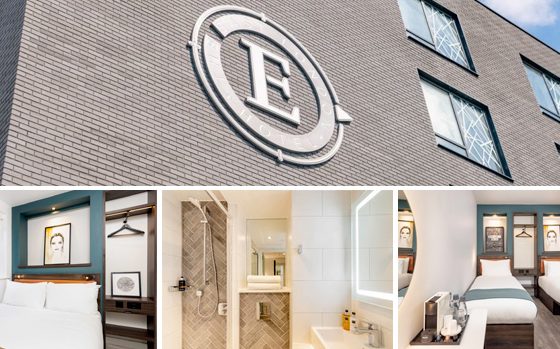
Poorly lit, grainy photos won’t sell your property, no matter how nice it is or what a bargain the price is. Adding professional photos that highlight the hotel’s exterior as well as its interior is mandatory.
Guests want to see exactly what they are getting when they book a room online. Virtual tours and video can be a great way of showcasing:
- Public spaces
- Dining facilities
- Meeting rooms
- Guestrooms
- Bathrooms
Besides great visual content, make sure your copy also adds to an excellent customer experience online. Tell potential guests about your rooms, services, in-house dining, and any amenities or facilities they might find at your hotel.
If you have Nespresso machines or iPads in the room, make sure you clearly state that on the room descriptions. Guests research and make decisions based on amenities, so leaving something out might be the deciding factor on whether to book your hotel or somebody else’s.
4. Educate Your Guests
Another key piece of information travellers want to know about is your location.
Questions guests commonly ask include:
- Is your hotel in the north part of the city?
- Is it located within the museum and arts district?
- Is it close to the high street with its many shops and restaurants?
Help orient your guests by providing relevant content about your location, including:
- Nearest public transport options
- Nearby attractions
- Local activities
- Local events
Be sure to update this information regularly.
5. Balance SEO and PPC
A Google study showed that 65% of leisure travellers start their holiday search online with no idea of the destination or mode of transportation. This means online search plays a crucial role in the decision-making process. Therefore, ensuring your website gets found by potential travellers searching online is vital.
A strong content strategy is essential, as is researching the keywords that potential guests use when searching for a hotel.
However, optimising your website for search engine optimisation (SEO) is no easy task.
Additionally, a combination of both PPC (pay-per-click) advertising and SEO initiatives should be coordinated and timed appropriately. If you lack the resources or time to manage these campaigns effectively, outsourcing may be the best option.
6. Develop Eye-Catching Offers and Update Them Regularly
Draw in potential guests by offering special packages that encourage them to book.
Examples include:
- A Valentine’s package featuring accommodation, champagne and chocolates.
- A Halloween family package including special treats for children.
A flexible booking engine should allow you to create multiple packages and promotional configurations.
Make sure these offers are promoted across the right channels, including:
- Your website
- Twitter/X
- Email marketing
- Other social media channels
7. Embrace Mobile
There were 97 unique screen resolutions available in 2010; by 2013 that number had risen to 232. Ensuring your online presence works across all devices is therefore essential.
Today’s travellers increasingly rely on smartphones throughout their journey. A traveller might:
- Book transport via an app
- Access digital boarding passes
- Receive itinerary alerts
- Book accommodation on the move
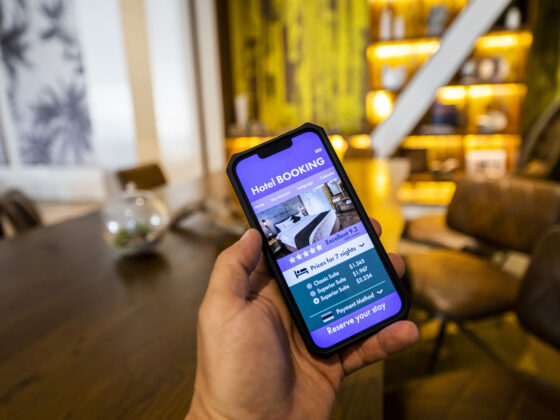
Not only should your website be optimised for mobile devices, but your booking engine should also offer a mobile-friendly version that is simple and quick to load.
8. Develop an Email Marketing Strategy
Many businesses forget that email remains an extremely powerful marketing tool because it is a permission-based communication channel between a brand and its customers.
Hotels that develop a successful email marketing strategy interact with customers in a meaningful way by:
- Providing useful information before arrival
- Sharing pre-check-in details
- Sending newsletters
- Promoting exclusive offers
- Maintaining guest engagement after check-out
9. Build a Social Media Presence
Establishing a social media presence is an essential element of any effective digital marketing strategy.
Social media provides your hotel with the opportunity to:
- Build a community of guests and followers
- Address customer service issues
- Promote exclusive offers
- Gather customer feedback
- Conduct surveys
- Manage your online reputation
Beyond Facebook and Twitter/X, consider platforms such as:
- YouTube
Different platforms can help you reach different audiences and markets, expanding your overall reach.
10. Encourage Online Reviews
Hotels must actively manage their presence on user-generated review platforms such as:
- TripAdvisor
- Yelp
- Google Reviews
Consumer reviews are becoming increasingly influential in travellers’ booking decisions.
By encouraging guests to leave reviews, you can improve your visibility and popularity rankings. These platforms often consider:
- Review ratings
- Number of reviews
- Review recency
According to a Reevo whitepaper, a proactive review collection strategy improved the number of positive reviews by 20% when compared with a passive approach.
Want to know what HotelREZ can do for your Hotel?
HotelREZ Hotels & Resorts is a hotel representation company providing distribution, sales and marketing consultancy and technology to independent hotels and small chains. We provide properties with GDS representation under our own HO chain code, and help market hotels to thousands of travel and MICE agents and partners worldwide. For more information on joining our portfolio of unique and independent hotels contact our Business Development team today or complete our hotel membership enquiry form.